




What the 2027 cash ISA changes mean for your savings
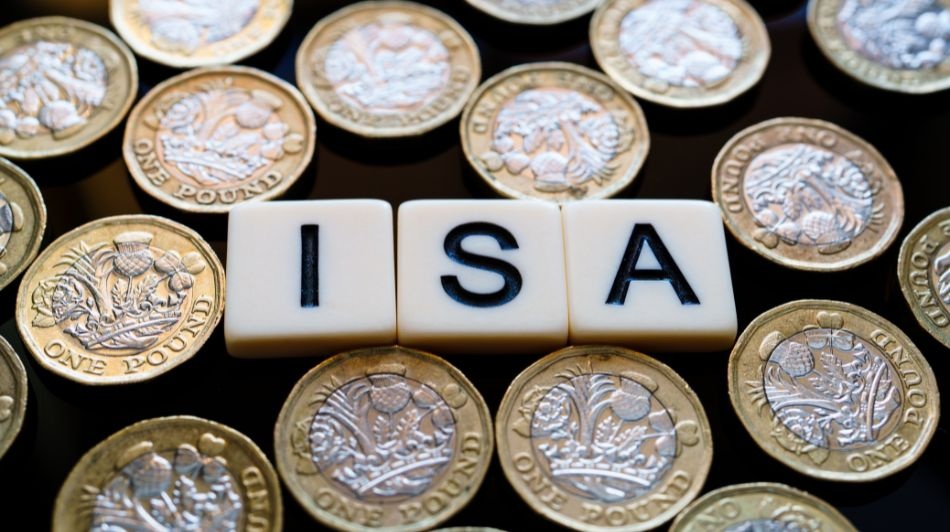

We are set to see a significant shift in how ISAs will operate from April 2027.
While the £20,000 ISA allowance remains unchanged, a limit to the amount that can be allocated to cash ISAs will affect how investors structure their savings, and this will require careful planning.
How are ISAs changing from 2027?
From 6 April 2027, individuals under the age of 65 will be limited to a cash ISA allowance of £12,000 per year, while the remaining £8,000 (of the £20k allowance) must be used in non-cash ISAs such as Stocks & Shares ISAs. Those aged 65 and over retain the full £20,000 cash ISA allowance.
The changes, initially announced in the 2025 Autumn Budget, only apply to new contributions meaning existing balances are not affected. In practical terms, 2026/27 is the final tax year where most savers can allocate the full £20,000 to cash.
The Government has also recently announced that a 22% charge will be introduced on interest paid on cash held in non-cash ISAs (which also applies to those age over 65), alongside further anti-circumvention measures, including restrictions on transfers from non-cash ISAs into cash ISAs and rules to prevent wholly cash-like investments being used to sidestep the policy aim.
This further underlines how important it is that your existing investments are reviewed - in this case to avoid unexpected tax consequences.
Why are the rules around ISAs changing?
The Government intends to shift behaviour away from holding large cash balances and towards longer-term investment.
The policy aims to encourage higher long-term returns for savers, driving greater participation in equity markets and supporting UK economic growth by channelling capital into businesses.
How will this impact you?
Whilst the rationale is understandable, there are some clear risks and challenges savers need to consider.
- Reduced flexibility for cautious investors - Not everyone is comfortable with investment risk, particularly those nearing retirement.
- Behavioural distortion - There is a risk this change encourages short-term “use it while you can” decisions, rather than a genuine shift to investing or individuals exploring the most suitable option for them.
- Cash still has a role - Emergency funds, planned expenditure, and peace of mind cannot be replaced by market-based assets, therefore it is always important to have some cash savings.
- Unintended consequences for lending markets - Cash ISA deposits are an important funding source for building societies—reducing them could have wider impacts
Why ISAs still matter more than ever
These changes are taking place in an increasingly challenging tax environment for savers and investors. Income tax bands remain frozen, pulling more people into higher rates of tax as earnings rise. At the same time, dividend and savings tax rates have increased, while capital gains tax allowances have been significantly reduced in recent years.
This all creates a growing tax drag on personal wealth and reinforces the importance of the ISA as one of the most valuable tax wrappers available, allowing any interest, dividends or capital gains generated within the wrapper to remain tax-free. There are also no reporting requirements, making ISAs not only efficient but straightforward to manage over time, and one of the most effective tools available for preserving and growing wealth over the long term, particularly as tax pressures increase elsewhere.
A clear window of opportunity
The upcoming changes, due to be introduced in April 2027, create a defined, time-limited opportunity for savers under the age of 65 to use their full £20,000 cash ISA allowance for the 2026/2027 tax year.
Taking a proactive approach now can make a meaningful difference. That may involve:
- maximising the current cash ISA allowance while it remains unrestricted
- reviewing whether part of your allowance may be better allocated to investments
- ensuring existing cash holdings are structured efficiently
The rules are changing, but the principle remains the same: tax-efficient planning rewards those who act early, not those who react late.

Subscribe to
Inspired
Our monthly bulletin INSPIRED is packed with useful articles to keep you up to date with news and legislation that may affect you or your business.


Related news stories


Armstrong Watson can help
If you are unsure how these changes affect your position, please get in touch for further support on 0808 144 5575 or email help@armstrongwatson.co.uk.


