




Impact of National Insurance changes on the self-employed and their state pension
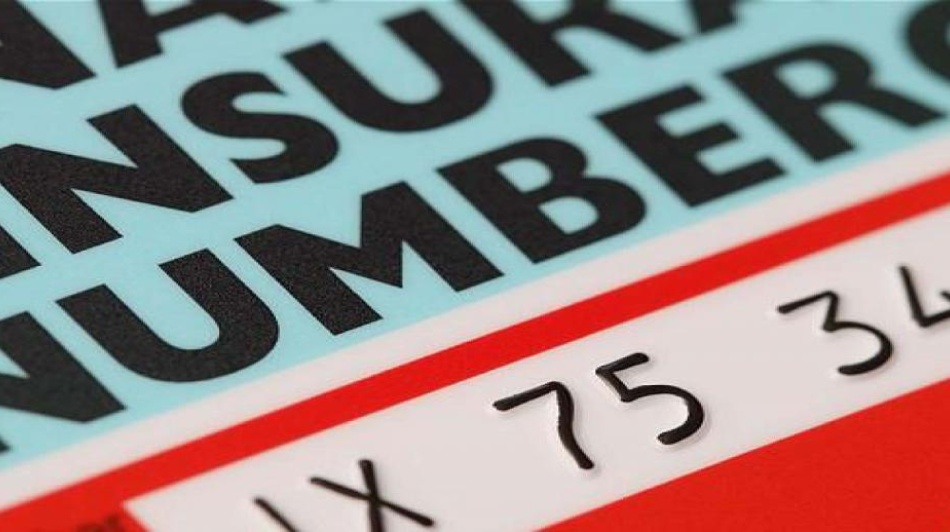
In previous editions of Inspired we have looked at retirement plans and whether individuals can actually afford to live on State Pension alone. An individual with the full entitlement to State Pension would currently receive £159.55 a week, which gives an annual income of just under £8,300. Although this may not provide sufficient income alone, it is still income that we should do our best to guarantee. However, changes to National Insurance for the self-employed from April next year means that more planning may be needed to ensure you meet the requirement to receive the full State Pension.
In order to qualify for a full State Pension entitlement, an individual requires 35 qualifying years of National Insurance contributions (NIC) or NIC credits. For an employee, this is reasonably easily achieved as a qualifying year is gained provided the individual earns a minimum of £113 per week based on current thresholds. The self-employed are subject to different criteria and pay class 2 NIC of £148.20 (2017/18) per year in order to obtain a qualifying year. An individual can also obtain a qualifying year by receiving a credit because they are in receipt of certain state benefits or if they make a voluntary contribution of class 3 NIC at £741 per year.
From April 2018, class 2 NIC will no longer exist, and therefore will no longer be the means of obtaining a qualifying year for the self-employed. Instead, class 4 NIC will determine whether an individual obtains a State Pension credit for a financial year and will also be used to determine entitlement to other state benefits, even though currently it has no impact on any benefits.
This change will mean that those with low taxable profits or losses will not qualify for a pension credit for a year, potentially reducing the amount of state pension an individual will receive in the future. The minimum taxable profit required for obtaining a credit based on the 2017/18 thresholds is £6,025, although an individual would not actually pay any class 4 NIC until taxable profits exceeded £8,164, at which point they would be subject to a 9% charge on profits exceeding this.
If your income is below this threshold it is therefore worth considering if you should in fact make the voluntary class 3 contributions. If the low profits are a one off in a working life of around 50 years it is not likely to be an issue as you should still meet the 35 year requirement, but if you aren’t sure of your NIC history or have had a difficult few years of trading through the recession the voluntary contributions should be contemplated. It is also worth noting that it is taxable profits that determine the credit, so high capital allowances due to the Annual Investment Allowance could also mean that you wouldn’t qualify. The upfront cost of class3 NIC may seem a lot now, but it would quickly be recovered once you receive a full State Pension entitlement.
We have previously covered how to obtain a State Pension forecast, and this article can be found here. It is highly recommended that you obtain a forecast if you haven’t done so already so that you can assess your personal circumstance and take any necessary action now to ensure a full entitlement to State Pension in the future, especially with the upcoming changes for the self-employed.
Subscribe to
Inspired
Our monthly bulletin INSPIRED is packed with useful articles to keep you up to date with news and legislation that may affect you or your business.


Armstrong Watson can help
Whether you need expert accounting, strategic business advisory, tax planning, or financial guidance, our experienced team is here to support your success. From sole traders to large enterprises, we provide tailored solutions to help you navigate complex financial challenges and achieve your goals. Get in touch today to discover how we can help your business thrive – call 0808 144 5575.


