




Is your business ready for full customs controls?
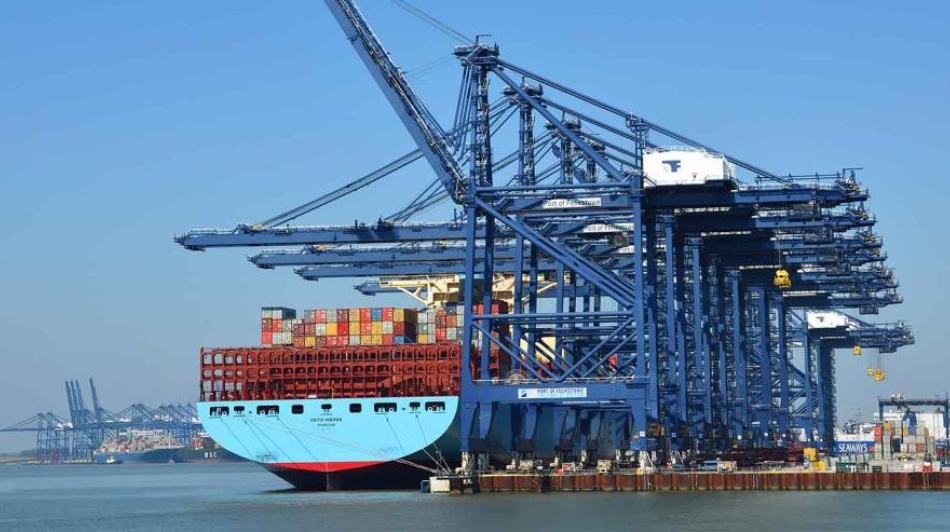
From 1 January 2022, businesses that permanently move goods to Great Britain from other EU countries will need to be aware that full customs controls are being introduced.
The delayed procedures used by many businesses since the UK left the EU customs union on 1 January 2021 will no longer be available. Full customs declarations will be required and a number of other regimes are also being introduced later next year including advance notice of the arrival of imports of food, drink and products of animal origin.
The impact of this is that all goods entering the UK must be subject to full customs formalities at the point of importation. A business trading with the EU that has previously elected to defer the submission of full customs entries will need to either make the customs declarations themselves and pay any duty due, or appoint a customs intermediary to deal with the formalities.
Customs procedures are onerous for a small or medium-sized business and it is often more convenient and cost-effective to engage with an intermediary or freight forwarding agent to deal with the formal declarations. It is important to review what these providers are engaged to do and that they understand the business requirements.
A business should prepare for the changes by:
- Having discussions with its suppliers and transport providers to discuss the terms in relation to the import and who will be responsible for clearing the goods through customs.
- Considering if the use of a customs agent or freight forwarder would be cost-effective and if so what information needs to be provided to them to ensure accurate completion of the declarations.
- Being aware of the commodity code of the goods that will be imported. This will determine the rate of duty payable and whether an import licence will be required.
- Having discussions with an indirect tax advisor if necessary to consider if there are opportunities available to reduce the customs duty due.
Subscribe to
Inspired
Our monthly bulletin INSPIRED is packed with useful articles to keep you up to date with news and legislation that may affect you or your business.


Armstrong Watson can help
Whether you need expert accounting, strategic business advisory, tax planning, or financial guidance, our experienced team is here to support your success. From sole traders to large enterprises, we provide tailored solutions to help you navigate complex financial challenges and achieve your goals. Get in touch today to discover how we can help your business thrive – call 0808 144 5575.


