




Making Tax Digital changes for the self-employed and landlords


Small business owners and landlords across the UK need to swiftly prepare for a significant change that will affect how they report their earnings to HMRC.
Making Tax Digital (MTD) for Income Tax Self-Assessment comes into force from April 2026 and will initially impact individuals and landlords with an income of more than £50,000, who will be required to submit quarterly self-assessment tax return information to HMRC.
While the changes are expected to impact 2.9 million individuals, recent research suggests that only 30% are aware of the reforms, and many have yet to take action.
Those with an income of between £30,000 and £50,000 will also need to do this from April 2027, and those with an income of between £20,000 and £30,000, too, will need to comply from April 2028. At the moment, partnerships and incorporated companies are not affected by these changes.
What is Making Tax Digital?
The Making Tax Digital legislation is a key part of the UK Government’s Tax Administration Strategy. It aims to digitalise the tax system, making it more efficient and easier for individuals and businesses to get their tax right.
Impacted business owners and individuals are being urged to ensure they are ready for the transition to Making Tax Digital and to understand how this will impact them.
Key changes for self-employed and landlords, and how to prepare
- Digital records: The era of paper receipts and manual record-keeping is coming to an end. Under the MTD legislation, businesses and individuals will be required to keep digital records, using MTD compatible software, so it is important to start this transition before April 2026.
- Quarterly updates: Gone are the days of annual tax returns. Businesses will need to prepare to submit updates every quarter, bringing the tax system closer to real-time. An End of Year declaration will still be required – this will be similar to your normal self-assessment tax return.
- Find compatible software: The use of software that works with MTD will be mandatory, so if you haven’t already, you will need to start by finding MTD compatible software. This will allow you to create and store digital records of each of your business transactions and send updates of your cumulative business income and expenses every three months to HMRC. It must also allow you to send your year-end self-assessment declaration.
- Authorise your software: Authorise your compatible software by entering your Government Gateway user ID and password into your software and following the instructions.
The introduction of Making Tax Digital for the self-employed and landlords represents a significant shift in the way businesses manage their taxes. By understanding these changes and preparing in advance, you can ensure a smooth transition to the new system.
Although the goal is to make it easier for individuals and businesses to get their tax right, this poses a challenge for businesses, with increased administration, new systems and the risk of actually submitting incorrect information to HMRC in real-time. To avoid these risks, it is important that businesses and landlords review their systems and adapt to the changes ahead of April 2026.
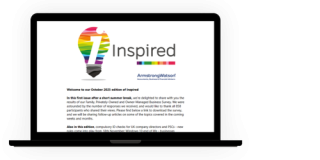
Subscribe to
Inspired
Our monthly bulletin INSPIRED is packed with useful articles to keep you up to date with news and legislation that may affect you or your business.


Related news stories


Recent news stories


Armstrong Watson can help
Whether you need expert accounting, strategic business advisory, tax planning, or financial guidance, our experienced team is here to support your success. From sole traders to large enterprises, we provide tailored solutions to help you navigate complex financial challenges and achieve your goals. Get in touch today to discover how we can help your business thrive – call 0808 144 5575.


