




What are the tax issues around grass letting, grazing licences and contract farming?
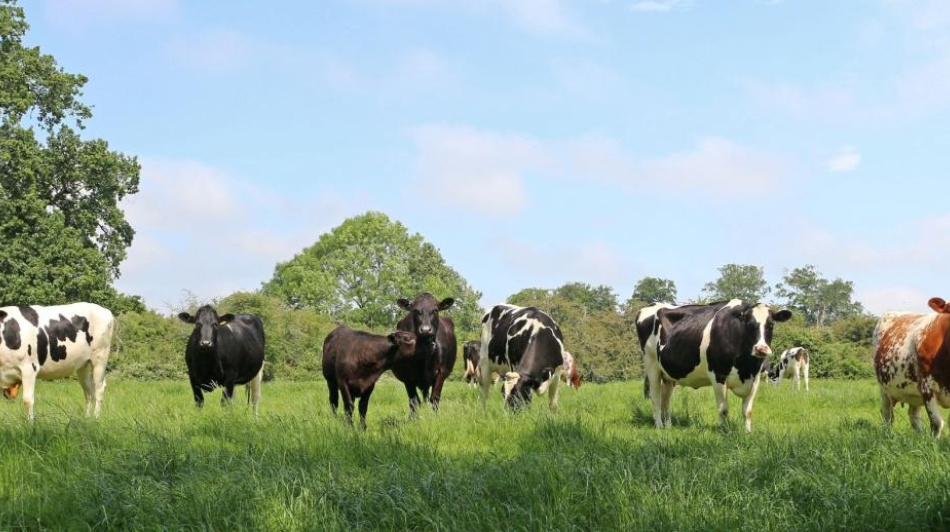

Asking someone who has lived and worked on the same farm for most of their life whether they are a farmer can provoke a puzzled look. However, where the farmer is now doing less work on a daily basis and a neighbour is grazing the land, HMRC may argue that you are no longer an active farmer.
There are tax issues that can arise if you are deemed to be renting out your land rather than farming it yourself. The first point to make is that it does not matter what an agreement is called – grass letting, grazing licence, contract farming, etc – it is what actually happens in practice that will determine the tax treatment.
In simple terms, everything hinges on who is deemed to be carrying out acts of husbandry on the land. For example:
- If the landowner fertilises the land, controls weeds, reseeds when necessary, etc then they should be classed as the farmer. In such cases, the grazier is merely allowed to bring his animals onto the land to eat the grass.
- If the grazier is responsible for all the above tasks then they will be deemed to be the farmer. The landowner is not carrying out any acts of husbandry and the land will now be treated as an investment asset.
- A further issue is whether the landowner is taking a commercial risk. If a farm has fixed income and minimal expenses, this looks like a rental business. Conversely, a business with variable income and expenses is more likely to be accepted as a trading business.
Tax issues to consider
- It may be possible to pay a lower rate of Capital Gains Tax on a sale of land – 10% rather than 20% - if it has been actively farmed. Likewise, the deferral of CGT by purchasing replacement land is only possible if the land has been actively farmed.
- Agricultural land which is rented out can still qualify for 100% Inheritance Tax exemption. However, in order for a farmhouse to qualify it is necessary that the person living in the house is a working farmer. This will be difficult to prove if the grazier is carrying out all the acts of husbandry.
- For Income Tax purposes there are a number of disadvantages of being classed as a non-farmer. These include not being able to offset as many expenses, restrictions on the offset of losses, and the inability to claim farmers averaging.
- For VAT purposes there is a distinction between the receipt of rent (normally exempt from VAT) and the provision of a grazing licence (zero-rated animal feedstuffs). This can not only mean that a rental business cannot claim back VAT on expenses but should not be VAT registered at all.
In every case, the circumstances will be different and so it is important to take specialist advice to ensure you are aware of the tax treatment for your business.
Subscribe to
Agri Matters
Agri Matters is our quarterly online newsletter that provides you with the latest financial information and legislation updates affecting British farming businesses.


Armstrong Watson can help
Whether you need expert accounting, strategic business advisory, tax planning, or financial guidance, our experienced team is here to support your success. From sole traders to large enterprises, we provide tailored solutions to help you navigate complex financial challenges and achieve your goals. Get in touch today to discover how we can help your business thrive – call 0808 144 5575.


