




Capital Gains Tax and Inheritance Tax on agricultural land and farms
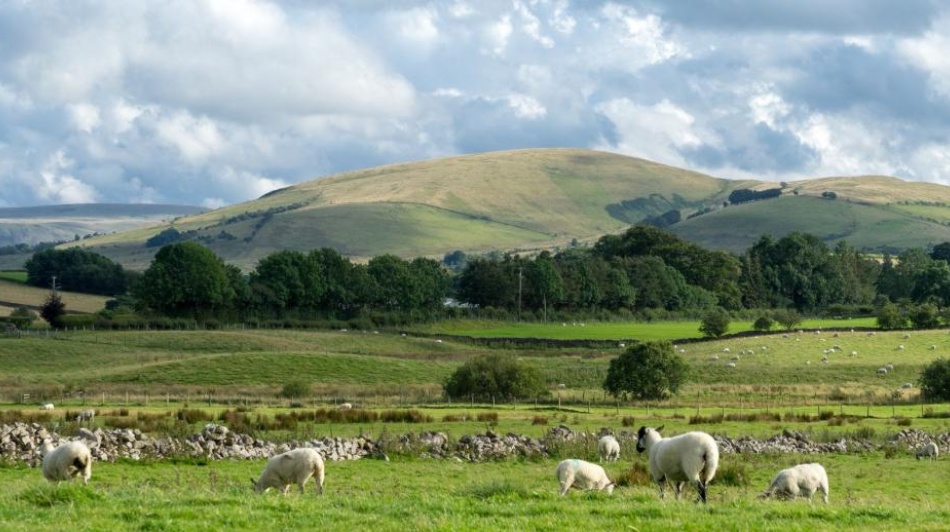

Selling or transferring agricultural land and farms can have significant tax implications, particularly concerning Capital Gains Tax (CGT) and Inheritance Tax (IHT). Following increased CGT rates and major IHT reforms announced in the 2024 Autumn Budget, and a further amendments in 2025, it is important to consider the current rates and the implication of future increases.
Capital Gains Tax
Capital Gains Tax (CGT) is charged on the profit made from selling an asset, including agricultural land and farms.
Calculation: The gain is calculated as the difference between the sale price and the original purchase price, minus allowable expenses such as legal fees and improvement costs.
Rates: CGT rates for chargeable assets were brought in line with residential property, effective for disposals made on or after the 30 October 2024. These rates increased from 10% to 18% for basic rate taxpayers and from 20% to 24% for higher rate taxpayers, meaning the same rates are now applicable to both residential and non-residential properties, as well as other chargeable gains.
Exemptions and reliefs:
- Annual Exempt Amount: Each individual has an annual exempt amount which has been reduced over recent years to £3,000 in 2024/25 (it was £6,000 in 2023/24).
- Business Asset Disposal Relief (BADR): This relief can reduce the CGT rate on qualifying business disposals, including farms, up to a lifetime limit of £1 million. This rate was increased to 14% in 2025, and will rise to 18% on 6th April 2026. Any remaining gain will be taxed at 24%.
Inheritance Tax
Inheritance Tax (IHT) is charged on the value of an estate passed on after death. The standard IHT rate is 40% on the value above the nil-rate band of £325,000, topped up to £500,000 if you leave your home to your children or grandchildren and your total estate is valued under £2 million.
Two reliefs are potentially available to those estates containing agricultural land and farms - Agricultural Property Relief (APR) and Business Property Relief (BPR) but from 6 April 2026 the scope of these reliefs will be limited, with 100% combined APR and BPR capped at £2.5 million per individual.
The Chancellor announced in the 2025 Autumn Budget that unused APR/BPR allowance will be transferable between spouses or civil partners on death even if the first death occurred prior to 6 April 2026.
Agricultural Property Relief
APR can still significantly reduce the IHT liability on agricultural land and buildings. It applies to agricultural property occupied for agricultural purposes. This includes land, buildings, and farmhouses proportionate in size and character to the agricultural land.
APR can provide up to 100% relief on the agricultural value of the property up to £2.5 million for an individual, with any amount above this receiving 50% relief. To qualify, the property / land must have been owned and used for agricultural purposes for at least two years (if occupied by the owner) or seven years (if occupied by someone else).
Business Property Relief
BPR can also reduce IHT on business assets, including farms. To be eligible the farm must be a working business, not just an investment. BPR applies to both the land and buildings used in the business.
BPR can provide 100% relief on the value of the business property up to £2.5 million if it has been owned for at least two years before the transfer with any amount above this receiving 50% relief.
Combining APR and BPR
In some cases, it is possible to combine APR and BPR to maximise tax relief. For example, APR can be applied to the agricultural parts of the property, while BPR can be applied to the business elements.
Any unused allowances following the death of a spouse or civil partner will be transferrable to the surviving partner.
Effective succession planning has never been more crucial. Our 2025 Family Business Survey highlighted that 34% plan to pass on the farm to the next generation, although more than half had not discussed their plans. Having proactive succession conversations earlier can ensure a smooth transition of your agricultural land and business assets and help maximise tax reliefs and secure the future of your family business. The earlier planning is undertaken, the greater the chance of success.
Andrew Robinson put together this helpful FAQ on changes to IHT for farmers: FAQs on changes to Inheritance Tax legislation for farmers

Subscribe to
Agri Matters
Agri Matters is our quarterly online newsletter that provides you with the latest financial information and legislation updates affecting British farming businesses.


Related news stories


Armstrong Watson can help
Whether you need expert accounting, strategic business advisory, tax planning, or financial guidance, our experienced team is here to support your success. From sole traders to large enterprises, we provide tailored solutions to help you navigate complex financial challenges and achieve your goals. Get in touch today to discover how we can help your business thrive – call 0808 144 5575.


