




Update to upcoming Inheritance Tax rules following the 2025 Budget
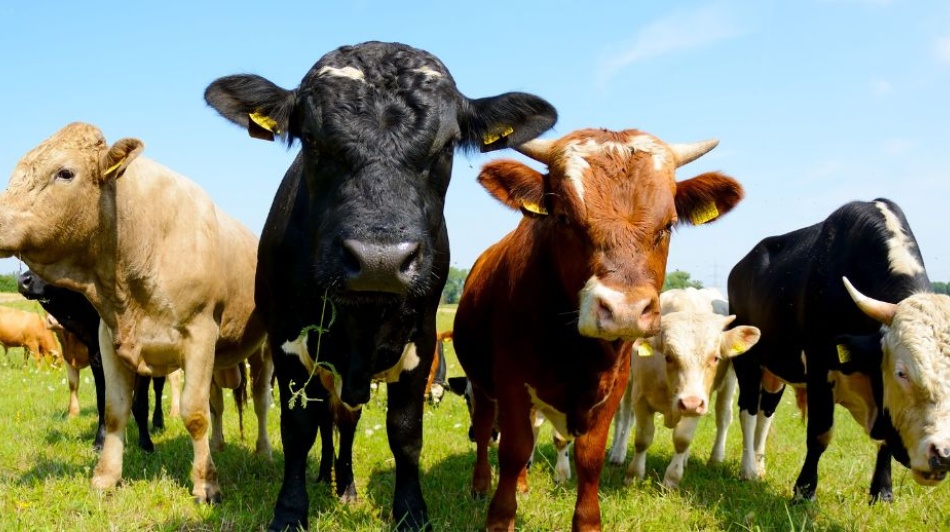

BREAKING NEWS - The government announced on 23rd December 2025 that the Inheritance Tax threshold for family farming businesses will increase to £2.5million. Further guidance will follow shortly.
While many farming families hoped the 2025 Budget would offer a glimmer of hope - following a year of protests and lobbying to scrap the Inheritance Tax (IHT) reforms announced last November - the Chancellor delivered limited relief on a sector that is facing mounting pressure.
In a matter of months, significant changes are set to be introduced that will limit the scope of 100% Agricultural Property Relief and Business Property Relief to a £1m allowance per individual, with assets over this amount receiving 50% IHT relief.
Rachel Reeves has now made one adjustment to the policy - that the £1m allowance (that is unused) can be transferred between spouses and civil partners. This means a surviving spouse can benefit from up to £2 million in combined APR/ BPR relief, rather than just £1 million.
When combined with existing nil-rate bands, a married couple can now potentially pass on up to £3 million of their estate free of IHT. For widows and widowers whose spouse died before April 2026, the unused allowance from their deceased partner can still be transferred, retrospectively.
This change may offer some relief – and will simplify the complexities of will planning – but for others it will not be enough to enable them to pass on their life’s work without IHT liabilities, and the reforms may still be of great concern. Like many, Armstrong Watson is continuing to stand firm against these reforms and has submitted a report to Parliament as well as writing to local MPs, whilst continuing to support businesses to plan ahead.
With thoughtful planning, there are ways to pass on your assets without triggering a heavy tax burden. Succession shouldn’t revolve solely around tax; it's about which assets are passed on, to whom, and when, as it’s essential to align gifting strategies with the income needs of the older generation.
Key to this process will be considering what your assets are and who you want them to go to, as well as your family’s input and wishes. You will need to review your wills and partnership agreement, and plan if and when you would like to retire from the business, taking into account how much income you need to live on (and if this income is required from your assets). You can then explore ways of mitigating the potential IHT.
Holding life insurance policies remains a sensible fallback for those who are cautious about transferring land prematurely—they can cover IHT liabilities if owners pass away within seven years of making significant gifts.
For families where children aren’t stepping into farm management, succession planning can include options such as selling, leasing, or entering joint ventures—all of which have distinct tax implications.
Understanding your financial position, retirement needs, and goals will help avoid rushed decisions. No single route is right for every farm, so it is important to seek advice.

Subscribe to
Inspired
Our monthly bulletin INSPIRED is packed with useful articles to keep you up to date with news and legislation that may affect you or your business.


Related news stories


Armstrong Watson can help
Whether you need expert accounting, strategic business advisory, tax planning, or financial guidance, our experienced team is here to support your success. From sole traders to large enterprises, we provide tailored solutions to help you navigate complex financial challenges and achieve your goals. Get in touch today to discover how we can help your business thrive – call 0808 144 5575.


