




Will my charity require an audit?


Proposed changes to increase audit thresholds for charities in England and Wales have moved a step closer, meaning fewer charities will require a full audit and could elect to move to an independent examination.
Following a consultation, the Department for Culture, Media and Sport (DCMS) has announced proposals to increase audit thresholds from £1m to £1.5m income, from Autumn 2026. This is expected to exempt 2,000 charities from mandatory audits.
Alongside this, the second ‘asset test’ threshold for charity audits is also increasing. It is proposed that charities with income over £500,000 (previously £250,000) will only require an audit if their assets are more than £5m, an increase from £3.26m.
DCMS aims to take the legislation through Parliament in 2026, with sufficient time for charities to understand and prepare for the impact of the changes.
The Scottish Government has also announced changes to increase audit income thresholds for Scottish Charities, which will double from £500,000 to £1m, effective for accounting periods starting on or after 1 January 2026.
The threshold for statutory audits for charities has not been adjusted since 2015, with inflation over the past decade pushing more charities into the audit regime and increasing their operational costs when they are already grappling with rising expenses.
While in many ways it is helpful for smaller charities to have the option of dispensing with an annual audit, it isn’t just a question of cost; there are many benefits that a yearly audit brings for charities and their stakeholders.
Four advantages of an unqualified audit opinion
1. Attracting funding
An unqualified audit opinion is a factor many funders will consider when deciding whether to donate to or provide grant funding to a charitable organisation. The question, 'Was your last audit report unqualified?' is often found on the funder's pre-selection checklist.
2. A good quality annual report
Funders will also frequently study the annual report before making a funding decision. The insights an auditor can provide whilst reviewing your accounts reduce the risk of omitting important information. This reassures funders about the efficient and transparent use of their investments and enhances the charity's reputation.
3. Peace of mind
The annual audit is more than just a valuable exercise regarding external perception. For trustees who are volunteers and rarely operate full-time within an organisation, the exercise helps them carry out their responsibilities for oversight of the charity. It can provide some comfort that the organisation is being well run. The audit management letter provides advice on financial controls and processes, and any improvements that can be made. It may comment on compliance with laws and regulations applicable to the organisation. A good management letter also provides trustees with a view of the judgmental areas of the annual financial statements and whether management's view in these areas is appropriate and defensible. Whilst the audit isn't, and shouldn't be, the only tool trustees take reassurance from, it is an important part of their armoury in protecting themselves against the personal and reputational risk they take on in the role.
4. Accountability
An external statutory audit is important in promoting accountability within an organisation. The knowledge that once a year, documents and judgements reached will be subject to scrutiny can help foster a culture whereby the rationale for decisions and transactions made is properly documented. This underscores the crucial role of the annual audit in ensuring transparency and accountability within charitable organisations, a role that should not be underestimated and is essential for maintaining the trust of stakeholders.
There are wider benefits an external audit brings for charities, their trustees and stakeholders, and charities not required by law to undergo a full audit can still choose to do so, particularly if they feel a higher level of scrutiny will help retain public trust and confidence for funders.
Subscribe to
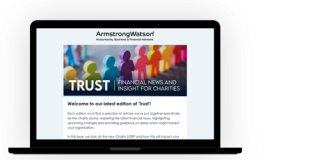
Trust
Trust brings you the latest up-to-date charity sector news, guidance and practical insights from our specialist staff, delivered directly to your inbox.


Related news stories


Recent news stories


Armstrong Watson can help
Whether you need expert accounting, strategic business advisory, tax planning, or financial guidance, our experienced team is here to support your success. From sole traders to large enterprises, we provide tailored solutions to help you navigate complex financial challenges and achieve your goals. Get in touch today to discover how we can help your business thrive – call 0808 144 5575.


