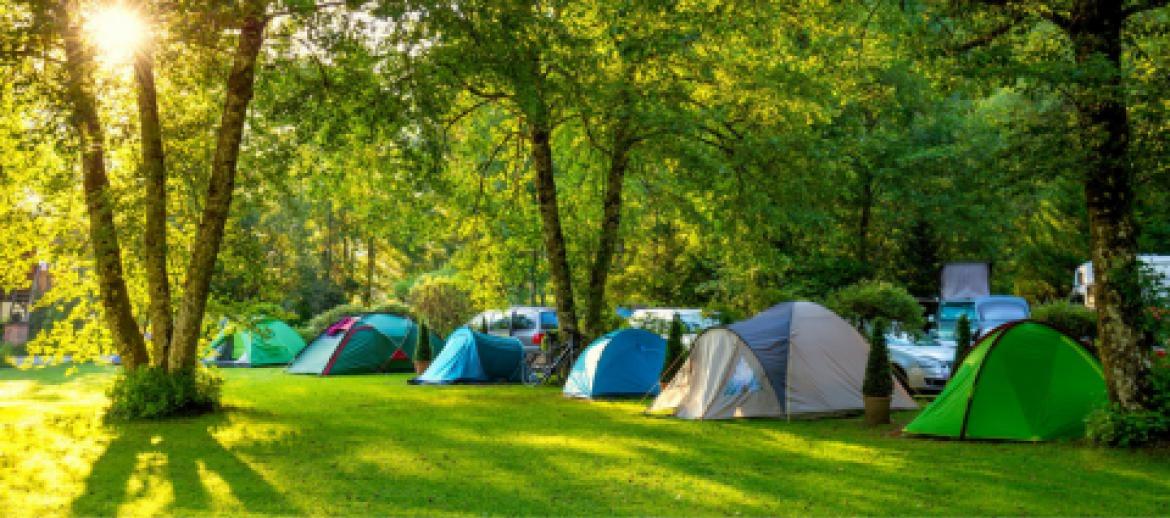
A renewed demand for domestic holidays has presented an opportunity for farmers and landowners in the form of pop-up campsites.
Pop-up campsites could previously only operate for 28 days a year but in 2023 the Government expanded permitted development rights allowing pop-up campsites to operate for up to 60 days per calendar year, without the need for planning permission. This includes with up to 50 pitches at any one time for tents, campervans and motorhomes but does not allow for the siting of caravans. It is important to note, a licence is required if the site operates for more than 42 consecutive days.
If you would enjoy welcoming campers to your farm, here are some things to consider:
Location
Carefully consider the most appropriate site. It needs to be an accessible, flat field away from neighbouring properties. It must not be near a Site of Special Scientific Interest (SSSI) or any historic site.
Environmental impact
While there is no requirement for an environmental assessment to be carried out for pop-up campsites, landowners must act responsibly. To protect the environment, limit the number of tents, ask campers to avoid lighting campfires and provide bins to prevent littering.
Tenancy and land agreements
If you do not own the land on which the campsite is to be situated, you will need to check if this is permitted by your tenancy agreement. If you are in doubt, seek advice from your solicitor or land agent.
Facilities
Portable toilets, a handwashing area, fresh water will be needed for campers and you will need to arrange for rubbish to be taken away.
Risk assessments and insurance
A full risk assessment must be carried out and you need to be fully insured before welcoming guests. This can usually be provided by your land insurer.
Opening times
Under permitted development rights, temporary campsites can open for 60 days a year. This doesn’t have to be a continuous period. You might choose to open at peak times such as weekends and school holidays.
Pricing
Offering your pitches at the right price could be the difference between a lucrative temporary income stream or time wasted on getting everything in place to find you have no take-up. Research other sites in your area to ensure your prices are competitive.
Tax
VAT needs careful consideration and will usually be payable on any campsite fees charged. This needs to be accounted for when pricing your pitches.
Taking land out of agricultural use for two months should not result in losing Agricultural Property Relief for Inheritance Tax purposes, provided it goes back to being grazed by livestock afterwards.
If you’re considering a pop-up campsite to bring in new revenue to your business and would like to speak to one of our specialist agricultural advisers please get in touch.