




Budget 2026: businesses need certainty more than surprises
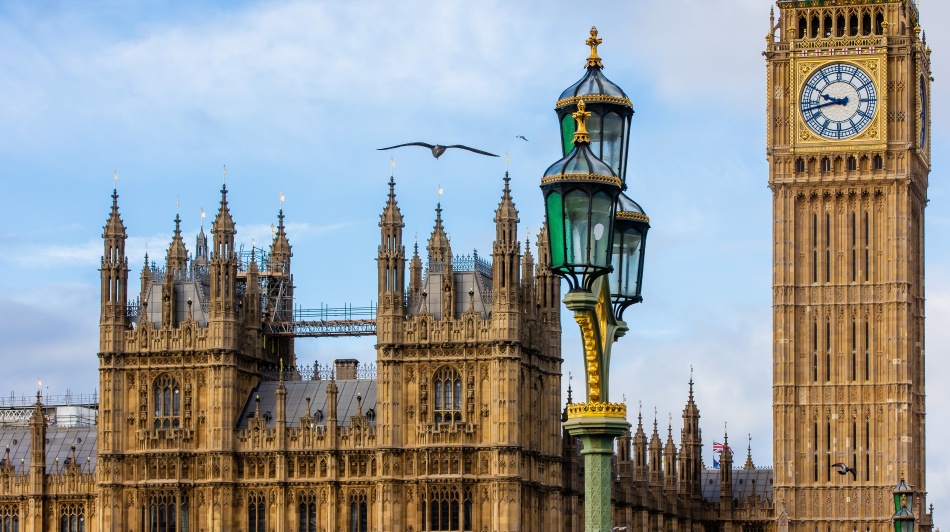

With the 2026 Budget fast approaching, speculation is once again gathering pace. Despite the headlines, few businesses are expecting a raft of major tax announcements when the Chancellor John Healey stands up on 28th October.
The Government has said it will maintain fiscal discipline and honour commitments not to increase the main rates of Income Tax, VAT or employee National Insurance, while keeping the main rate of Corporation Tax at 25%, but potential reforms could still have significant consequences.
With public finances under pressure, as borrowing remains high, fiscal headroom is limited and the Government's largest tax levers are politically constrained, attention is increasingly turning to capital gains and property taxes, sector-specific levies, addressing the tax gap, reliefs and allowances, and the possibility of extending or maintaining threshold freezes. These remain possibilities rather than confirmed policy.
However, for many business owners, the bigger concern is not what changes may be announced, but the uncertainty created by not knowing what comes next.
Why certainty matters
The findings of the Armstrong Watson Family, Privately-Owned and Owner-Managed Business Survey 2026 reinforce this point. Increases in taxation and changes in government policy rank among the most significant economic concerns for business owners over the next 12 months, while 55% of respondents believe government policy has become less supportive of business during the past year.
This concern is reflected across the wider business community. The CBI is calling for lower business costs, clearer rules and a simpler, more predictable tax system. The British Chambers of Commerce has highlighted fragile confidence and weak investment intentions, alongside pressure from employment, energy and business-rates costs. It’s clear businesses need fewer policy shocks and a clearer medium-term framework.
This matters particularly for family and owner-managed businesses, where decisions on investment, succession and ownership are often made over years rather than months. A stable policy environment does not require taxes never to change; it requires changes to be signalled early, consulted on properly and implemented on a workable timetable.
Planning beyond the budget
Succession planning is a good example. Passing a business from one generation to the next is rarely a quick process. It often involves careful consideration of ownership structures, leadership transitions, tax liabilities and the long-term objectives of both the family and the business. Likewise, owners considering a future sale will often start preparing several years in advance to maximise value and ensure a smooth transition.
Uncertainty over Capital Gains Tax, Inheritance Tax reliefs or the wider treatment of business assets can therefore affect behaviour well before any legislation takes effect. Businesses may accelerate transactions for tax reasons, defer investment or postpone difficult but necessary conversations. None of those outcomes is conducive to patient, productive decision-making.
Businesses will consequently look beyond the headline tax measures on 28th October. They will want to understand the Government’s direction of travel: how long key rates and reliefs are intended to remain in place, how reforms will interact, and whether policy will support investment in every part of the UK.
Businesses need a stable tax roadmap that gives them the confidence to plan and invest for the long term. That means avoiding further increases in the cost of employing people, reforming business rates so that investment is encouraged rather than penalised, and providing a credible response to the continuing challenge of high energy costs. Maintaining effective incentives that support innovation, skills development and capital expenditure is also important, along with a commitment to simplifying the tax system, ensuring that any changes are properly consulted on and introduced with sufficient lead time.
Against a difficult fiscal backdrop, the Chancellor may not be able to offer everything businesses want. He can, however, provide clarity: a coherent plan, realistic timescales and fewer surprises. For owners making decisions that will shape their organisations for years to come, that confidence may be as valuable as any single Budget measure.
Businesses can adapt to change, but they cannot invest confidently when the rules appear liable to shift without warning.

Subscribe to
Inspired
Our monthly bulletin INSPIRED is packed with useful articles to keep you up to date with news and legislation that may affect you or your business.


Related news stories


Recent news stories


Sign up to our Budget Analysis Webinar
Armstrong Watson is hosting a live webinar on Tuesday, 3rd November, at 9.30am. Join us to hear from our specialists in tax, financial services and accounting who will be examining the announcements and their impact.
To register for the webinar please visit https://armstrongwatson.info/47JlHMY


