




Waiting for policy, planning for opportunity: What business owners should be thinking about under the new Burnham Government
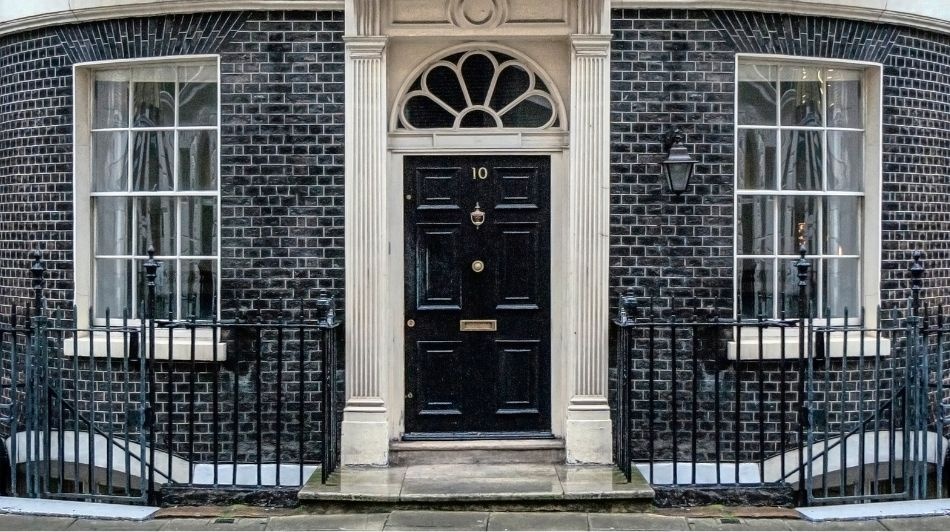
The past month has brought a significant political shift, and for business owners the key question is what Andy Burnham and his new government’s policies will mean for growth, investment and business value.
Since becoming Prime Minister, Andy Burnham has moved quickly to outline some broad priorities: easing cost-of-living pressures, supporting regional growth, revitalising high streets, devolving economic decision-making and maintaining fiscal discipline. However, many of the details that matter most to business owners remain unknown and are unlikely to become clear until the Autumn Budget.
For entrepreneurs considering expansion, acquisitions, succession planning or an eventual exit, this period of uncertainty should not be viewed as a reason for inactivity. Instead, it should be seen as an opportunity to review plans, understand potential exposures and ensure decisions are driven by commercial objectives rather than political speculation.
The biggest risk may be doing nothing
One of the most consistent themes emerging from recent commentary is that the new government inherits a challenging fiscal environment.
Burnham has committed to existing fiscal rules while simultaneously signalling ambitions around housing, regional investment, public services and support for households. The result is that businesses should expect the Treasury to be actively reviewing where growth can be encouraged and where additional revenue may need to be raised.
For many owner-managed businesses, the temptation is to postpone major decisions until there is greater certainty. History suggests that can be a mistake.
Whether you are buying, selling or investing, the strongest transactions are typically driven by long-term strategy rather than short-term tax considerations. Understanding potential tax changes is sensible. Allowing rumours to dictate business decisions often is not.
Business Rates reform could create winners and losers
One of the clearest proposals associated with Burnham is reform of business rates.
Recent interviews and policy discussions have highlighted potential reductions in rates for high street businesses, hospitality operators and independent firms, potentially funded through increased charges on larger warehouse developments and out-of-town logistics operations.
For owner-managed businesses operating from retail, hospitality or leisure premises, this could be positive news.
However, business owners should look beyond the headline.
A reduction in rates may improve cash flow, but the more important question is whether it enhances long-term profitability and investment confidence. Equally, businesses involved in logistics, warehousing, commercial property or supply chains should consider whether higher property-related costs could feed through into future operating expenses.
The practical takeaway is simple: review future cash flow forecasts under multiple scenarios rather than assuming any reform will automatically benefit your business.
Growth businesses should watch the regional agenda
Perhaps the most significant signal for ambitious business owners is Burnham's continued emphasis on regional economic growth.
The Prime Minister has repeatedly championed devolution, infrastructure investment, technical skills and place-based economic development throughout his political career. Early indications suggest these priorities remain central to his government's agenda.
For growing businesses, this could create opportunities beyond taxation.
Businesses looking to expand into new regions, recruit skilled employees, access development funding, participate in infrastructure supply chains, and/or invest in commercial property may find regional growth initiatives become increasingly important over the next few years.
It’s not just a case of "what tax will I pay?" but "where will government-backed growth opportunities emerge?"
Business owners considering a sale should focus on readiness
Tax speculation has naturally led many business owners to ask whether they should accelerate an exit.
While nobody can predict with certainty what the Autumn Budget will contain, there continues to be significant speculation around potential increases to Capital Gains Tax and wider changes to the way business disposals are taxed.
For some owners who are already considering a sale in the near future, this uncertainty may be a reason to explore their options sooner rather than later. That does not mean bringing forward a sale purely because of tax speculation, but it may be sensible to understand what a transaction could look like, assess market appetite and consider whether an earlier timetable could be advantageous if policy changes do materialise.
What we do know, however, is that well-prepared businesses consistently achieve stronger outcomes than those rushed to market.
Owners contemplating an exit within the next three to five years may be better served by focusing on:
- Strengthening recurring revenue
- Reducing owner dependency
- Improving management reporting
- Building leadership capability
- Addressing succession issues
- Enhancing profitability and cash generation
These factors typically have a far greater impact on business value than marginal changes in tax rates.
The key message is that business owners should not feel pressured into selling because of political speculation. However, those already considering a sale may benefit from reviewing their plans now, speaking with advisers and ensuring they are in a position to act should the political and tax landscape change later in the year.
Acquirers may find opportunity in uncertainty
Periods of political uncertainty often create hesitation.
That hesitation can create opportunity.
Many successful acquisitions occur when competitors delay decisions, valuations soften, or sellers become more flexible. Businesses with strong balance sheets and clear acquisition strategies may find that uncertainty creates attractive opportunities over the next 12 to 24 months.
The most successful acquisitive businesses rarely attempt to predict every Budget announcement. Instead, they maintain financial flexibility and act when commercially attractive opportunities arise.
The Autumn Budget will matter, but not as much as fundamentals
The Autumn Budget will undoubtedly receive significant attention from advisers, investors and business owners alike. It is likely to provide the clearest indication yet of the Burnham government's approach to taxation, growth and investment.
However, business owners should remember that value creation is rarely determined by government policy alone.
Businesses that grow successfully tend to share the same fundamentals:
- Strong leadership
- Clear strategy
- Disciplined financial management
- Investment in people
- Investment in technology
- A long-term view
Those principles remain unchanged regardless of which party leads the government.
Should you be taking action now?
There is currently far more speculation than certainty.
The most prudent approach for business owners is neither panic nor complacency; it’s preparation.
Understand your current position. Review your growth plans. Stress-test potential transactions. Consider how policy changes could affect your business. But most importantly, continue making decisions based on commercial logic rather than headlines.
The new government may create new opportunities, new challenges, or both. Businesses that remain agile, informed and well-prepared will be best positioned to respond when policy finally becomes reality.

Subscribe to
Inspired
Our monthly bulletin INSPIRED is packed with useful articles to keep you up to date with news and legislation that may affect you or your business.


Related news stories


Armstrong Watson can help
If you’re considering growing, buying or selling a business, our Corporate Finance team are here to help at every step of the way. Call 0808 144 5575 or email help@armstrongwatson.co.uk.


