



What does the interest rate rise mean for you?
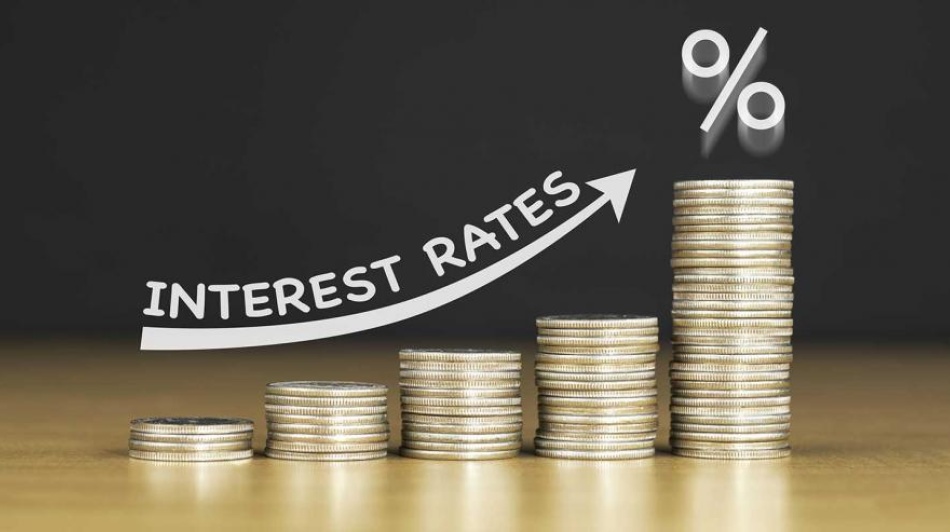

The recent increase to the Bank of England base rate shouldn’t come as a surprise to many.
It had been held at a historic low of 0.1% since the start of the pandemic in March 2020, but the latest decision by the Bank of England’s Monetary Policy Committee (MPC) saw it rise - for the first time in three years - to 0.25%.
We have become accustomed to these low rates over the past 12 years. However, inflation has now risen to more than 5% and the base rate is used to control inflation by reducing demand. The MPC’s latest base rate increase aims to return CPI inflation sustainably to the 2% target.
Despite this, we may still see inflation increasing over the coming months, with inflation expected to peak at 6% in April 2022. The difficulty for the Bank of England is understanding what proportion of the inflation is temporary due to pent up demand which has built up during the pandemic.
We should therefore expect to see continued rises in the base rate over the next 12 months, with many experts predicting this may reach 1% by the end of next year.
Homeowners with mortgages on variable rates will see their disposable income reduce with this latest rise. However, those with fixed-rate mortgages will be unaffected.
For homeowners who are also business owners, they may also face a further reduction in their disposable income – those with business debt held on variable rates will see this impact their profits. The higher the debt levels, the greater the impact on the business.
Where business owners have fixed the interest rate on their business debt, they will be unaffected. Also, businesses that took out a Bounce Back Loan will be unaffected because these rates are fixed at 2.5%.
With further increases likely over the coming 12 months, business owners should consider how to protect themselves against future changes. Businesses that took on additional debt finance to see them through extended periods of closure throughout the various lockdowns should review and consolidate their debt structure as a whole.
This article provides further information for hospitality businesses, but the considerations described remain the same for all sectors.

Subscribe to
Inspired
Our monthly bulletin INSPIRED is packed with useful articles to keep you up to date with news and legislation that may affect you or your business.


Armstrong Watson can help
Whether you need expert accounting, strategic business advisory, tax planning, or financial guidance, our experienced team is here to support your success. From sole traders to large enterprises, we provide tailored solutions to help you navigate complex financial challenges and achieve your goals. Get in touch today to discover how we can help your business thrive – call 0808 144 5575.


