




VAT on Invisalign and clear aligners: what dental practices need to know
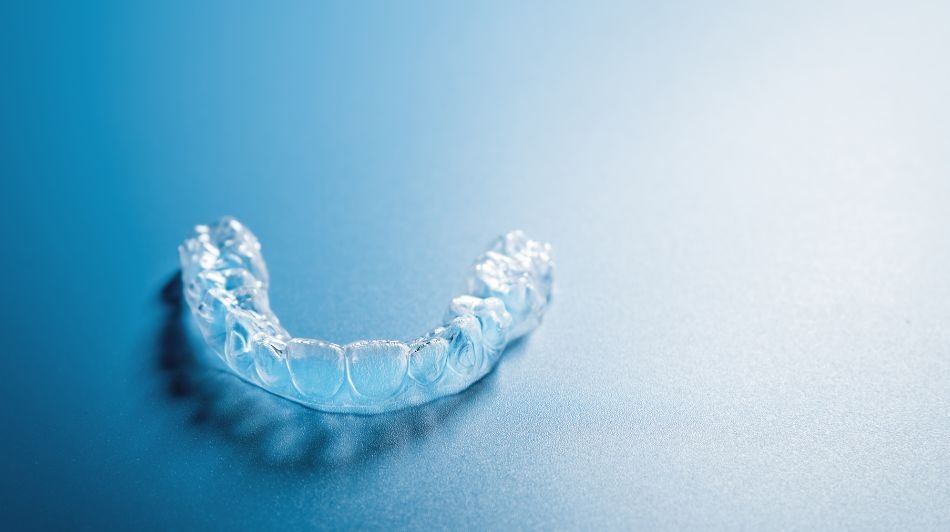


A recent Upper Tribunal decision has confirmed that Invisalign clear aligners are not VAT-exempt dental prostheses. For dental practices, orthodontists and dental groups, the ruling is an important reminder that VAT treatment depends on the precise nature of the supply, not simply on whether the treatment takes place in a dental setting.
The decision is particularly relevant for practices offering orthodontic appliances, cosmetic dentistry, tooth whitening, facial aesthetics or other private treatments that may fall outside the VAT exemption for healthcare.
What has happened?
In the case HMRC v Align Technology Switzerland GmbH and Align Technology BV [2026] UKUT 00256 (TCC), the Upper Tribunal allowed HMRC’s appeal and held that Invisalign clear aligners do not qualify as VAT-exempt “dental prostheses” and therefore the supplies under consideration were taxable.
Although clear aligners are bespoke products used by dental professionals as part of orthodontic treatment, the tribunal concluded that they do not replace a missing or damaged part of the mouth. Their function is to reposition existing teeth.
Why the definition mattered
The tribunal concluded that a prosthesis ordinarily involves replacing or substituting for a missing or damaged body part. On that basis, a product which repositions existing teeth is different from one which replaces missing teeth or restores lost dental structure.
This distinction was central to the outcome. While aligners may support oral health and form part of a wider course of orthodontic care, the tribunal held that their clinical role was not enough to bring them within the specific VAT exemption for dental prostheses.
The decision also serves as a reminder that VAT exemptions are interpreted strictly. The fact that a product is supplied in a healthcare setting or contributes to a patient's oral health is not, by itself, sufficient to secure VAT exemption. Instead, the courts will focus on the precise statutory wording and whether the relevant conditions for exemption are satisfied.
What this means for dental practices
In light of the decision, practice should therefore ensure the VAT treatment of orthodontic arrangements is considered based on the precise nature of the supply being made.
Key practical points
- The clinical treatment exemption remains critical. The VAT position of professional dental care should be considered separately from the VAT treatment of dental appliances or products.
- Mixed supplies need careful analysis. Where treatment, appliances, laboratory fees, scans, retainers, finance arrangements or aftercare are bundled together, VAT treatment may depend on the precise contractual and commercial arrangements. In many cases, the starting point should be to determine whether there is a single composite supply of treatment to which all elements follow the VAT liability of the principal supply.
- VAT exemptions are interpreted narrowly. Healthcare-related products do not automatically fall within an exemption simply because they are used in a clinical setting.
- Historic VAT treatment should be reviewed. Practices that have relied on the earlier First-tier Tribunal decision in this case, which ruled in favour of Align Technology, or have taken a different approach to aligner supplies should consider whether any adjustment, disclosure or revised process is required.
When VAT registration could become relevant
A dental practice that provides predominantly exempt dental care may remain outside the VAT registration regime. However, if the practice begins offering significant levels of taxable cosmetic dentistry, tooth whitening, facial aesthetics or other standard-rated services, those supplies could count towards the VAT registration threshold.
As taxable income increases, practice owners should monitor their VAT position regularly and seek professional advice where there is uncertainty over the VAT treatment of services or products supplied to patients.
Once the threshold is exceeded, the practice may be required to register for VAT and account for output tax on taxable supplies, even though its exempt dental healthcare income remains outside the VAT charge.
Registration can create a mixed VAT position, with implications for VAT recovery, pricing, contracts, patient communications, accounting systems and compliance processes.
Partial exemption for dental practices: recovering VAT on costs
Where a dental practice makes both exempt and taxable supplies, it will generally be partly exempt. HMRC's VAT Notice 701/57 confirms that VAT-registered health professionals must consider the circumstances in which VAT incurred on purchases and overheads may be recovered.
In broad terms:
- VAT on costs directly attributable to taxable supplies may be recoverable.
- VAT on costs directly attributable to exempt dental healthcare will generally not be recoverable.
- VAT on shared overheads must usually be apportioned under the partial exemption rules.
This can be particularly relevant where a practice invests in scanners, treatment planning software, marketing, refurbishment projects, reception facilities, finance systems or equipment used across both exempt dental care and taxable cosmetic services.
Technical areas dentists should review
- Purpose of treatment: whether it is clinically necessary, preventative, restorative, corrective or purely aesthetic.
- Evidence and records: whether patient notes, treatment plans and consent forms support a healthcare purpose.
- Bundled treatment packages: whether packages include exempt and taxable elements.
- Aligners and orthodontics: whether supplies represent exempt care, standard-rated appliances or mixed supplies.
- Facial aesthetics: whether treatments are supplied as medical care or cosmetic enhancement.
- VAT registration monitoring: whether taxable turnover is reviewed on a rolling 12-month basis.
- Input tax recovery: whether costs are correctly attributed and apportioned.
- Pricing and contracts: whether agreements allow for VAT where VAT becomes chargeable.
The key message is that VAT exposure often increases as practices move further into cosmetic, aesthetic and private treatment markets. As the distinction between exempt healthcare and taxable cosmetic services becomes increasingly important, practices should ensure their VAT treatment is supported by robust documentation, accurate income categorisation and regular VAT reviews.
The financial consequences of errors can be significant. An incorrect VAT position may result in assessments, penalties, interest, cash flow pressures and pricing challenges, particularly where VAT cannot be recovered from patients retrospectively.

Subscribe to
Inspired
Our monthly bulletin INSPIRED is packed with useful articles to keep you up to date with news and legislation that may affect you or your business.


Related news stories


Armstrong Watson can help
For advice on VAT for dental practices, please get in touch. Call 0808 144 5575 or email help@armstrongwatson.co.uk.


