




Don’t be caught out by HMRC on farm contractors
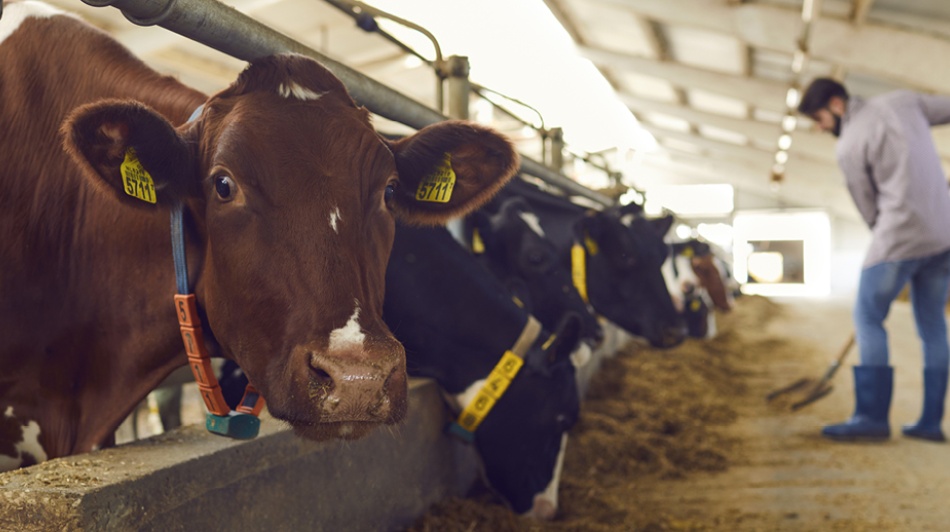

The question of whether a worker is employed or self-employed for tax purposes has been a source of confusion and dispute between HMRC and business for many years. Much of HMRC’s attention has been directed at large businesses, and we have seen tribunal cases involving television presenters and IT consultants, amongst others, who have offered their services through limited companies.
We are now starting to see challenges from HMRC concerning partnerships and feel that it is only a matter of time before arrangements involving farm contractors come under close scrutiny.
Employing staff has become more complicated in recent years. Wages paid must be reported to HMRC each week or month under the RTI system. Most employees will be enrolled in a workplace pension scheme. It’s not surprising that there is a temptation to treat workers as self-employed and avoid all this administration and cost.
HMRC regularly reminds us of the issue of status. It’s a fair bet it will continue to be a hot topic as the Chancellor looks to reduce the national overdraft post-Covid. So, what’s it all about? How is status determined?
Numerous cases go through the courts and tribunals but key considerations are:
-
Mutuality of obligation
Are you obliged to offer work each week and is the worker obliged to accept it? Employees are obliged to turn up each week, the employer has to find work for them. Self-employed people have the right to say they aren’t available next week and equally, the farmer can say that there is no work next week. Holiday pay? Sick pay?
-
Right of substitution
A self-employed person can usually send along a suitably qualified replacement to do the work, an employee has to do the work personally.
-
Provision of equipment
If a contractor provides major pieces of equipment to perform the work, it is usually an indication of self-employment. An employee will normally only provide small tools or protective clothing.
-
Control
In general, a self-employed person can decide when and how a task is performed, whereas an employee is more closely supervised.
-
Method and frequency of payment
An employee is paid at fixed intervals, eg weekly or monthly, whereas a self-employed person will raise invoices when a particular task is complete.
If your farm business pays people on a self-employed basis for general labour and contracting but who, in reality, don’t work for anyone other than you, there could well be an issue. IR35 legislation requires that the person using the service is responsible for determining the employment status of the individual. Completion of a tax return and declaring the income on a self-employed basis does not mean that on review HMRC would agree that the status of the individual concerned has been correctly determined.
The reality then is that that duty falls to the farmer making the payment to decide if the status of the person they are paying has been correctly assessed.
Subscribe to
Agri Matters
Agri Matters is our quarterly online newsletter that provides you with the latest financial information and legislation updates affecting British farming businesses.


Armstrong Watson can help
Whether you need expert accounting, strategic business advisory, tax planning, or financial guidance, our experienced team is here to support your success. From sole traders to large enterprises, we provide tailored solutions to help you navigate complex financial challenges and achieve your goals. Get in touch today to discover how we can help your business thrive – call 0808 144 5575.


