




Protect your business from growing threat of cybercrime in 2026
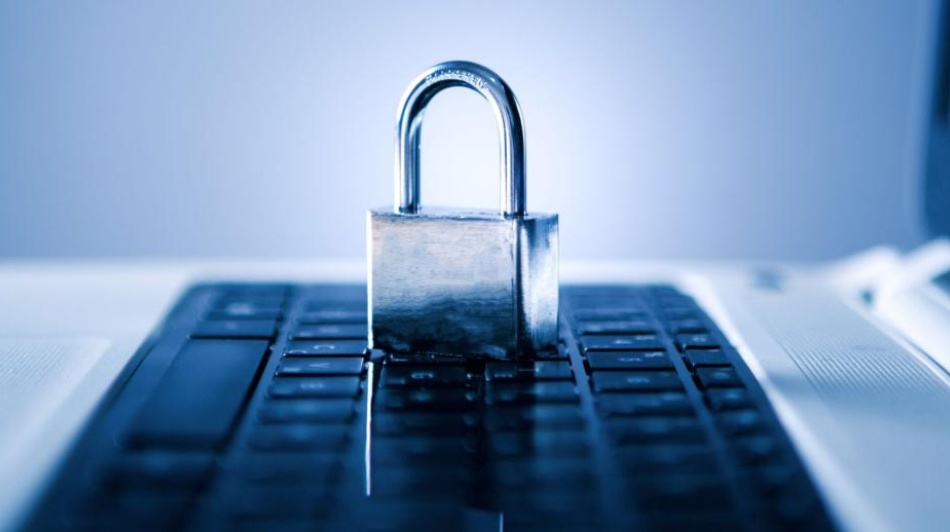

In 2026, the world continues to move faster – and so do cybercriminals. Attacks are more targeted, more automated and increasingly powered by AI. This poses an evolving threat to businesses of all sizes, meaning it is more important than ever to ensure your defences are secure.
Why cyber security matters
Cyber attacks can lead to significant financial losses, reputational damage, and legal repercussions and in today’s digital world, cyber security is no longer a luxury—it's a necessity.
As businesses increasingly rely on technology for many day-to-day processes - everything from booking reservations to managing inventories - the attack surface grows. They become more vulnerable to cyberattacks like ransomware, phishing, and data breaches.
The Government’s 2025 Cyber Security Breaches Survey found that 43% of businesses and 30% charities reported having a cybersecurity breach or attack, with phishing as the most prevalent and disruptive threat.
Reports also indicate a surge in cybercriminals targeting small and medium-sized businesses, and many have been caught off guard by the sheer sophistication of modern cyber attacks, which are becoming smarter and faster as a result of AI.
Even in rural areas, where businesses may feel insulated from the kinds of large-scale cyberattacks that often make headlines, cybercrime is a growing issue. Cybercriminals are increasingly targeting small businesses, charities and even individuals living in more remote areas, knowing that smaller entities often lack robust defences.
Understanding the risks and implementing security measures is crucial for protecting business operations and customer data.
What are the risks?
A cyberattack can be devastating and poses a number of risks.
- Substantial financial losses from theft of funds, disruption of operations, and recovery costs, which can quickly escalate. Small businesses, in particular, may struggle to recover from such financial setbacks.
- Severe reputational damage. Customers may lose trust in a business that fails to protect their personal information, leading to a loss of clientele and revenue.
- Regulatory exposure - failure to protect customer data under under General Data Protection Regulation (GDPR) can result in legal consequences and hefty fines.
- Operational disruption – the impact of downtime and loss of productivity can be particularly damaging for large enterprises with complex and interconnected systems.
Intellectual property loss of trade secrets, product designs, and proprietary software can undermine a company’s competitive advantage.
5 steps to enhance security and protect data
There are practical steps you can take to improve and maintain robust cybersecurity practices to reduce your vulnerability to cybercrime, including:
1. Strengthen passwords and use multi-factor authentication
One of the simplest yet most effective ways to improve security is by using strong, unique passwords for each service. To add an extra layer of protection, enable Multi-Factor Authentication (MFA), which requires more than just a password.
2. Update software regularly
Cybercriminals often exploit vulnerabilities in outdated software and systems. Regularly update your operating systems, apps, and security software to ensure they have the latest security patches.
3. Backup important data
Ransomware attacks can render your data inaccessible, but if you have a recent backup, you can restore your information without paying the ransom. Regularly back up your files, whether on an external hard drive or using a reliable cloud service, and develop and test a disaster recovery plan.
4. Secure your network
Use firewalls, intrusion detection systems and antivirus software to protect your network from unauthorised access and malware. Regularly monitor network traffic for unusual activities.
5. Regular security awareness training
By providing regular security awareness training, you can help identify knowledge gaps and equip individuals to recognise and respond to potential threats.
Prioritise your cyber security in 2026
The consequences of a single successful attack are rising and AI is accelerating both the sophistication of cyber threat but also the reliability of defences.
Protecting your business operations and customer data requires vigilance and it is important to act before a breach – strengthening passwords, updating software, backing up data and training your front line. This will significantly reduce your risk of falling victim to cybercrime.

Subscribe to
Inspired
Our monthly bulletin INSPIRED is packed with useful articles to keep you up to date with news and legislation that may affect you or your business.


Recent news stories


Armstrong Watson can help
Whether you need expert accounting, strategic business advisory, tax planning, or financial guidance, our experienced team is here to support your success. From sole traders to large enterprises, we provide tailored solutions to help you navigate complex financial challenges and achieve your goals. Get in touch today to discover how we can help your business thrive – call 0808 144 5575.


