




Fighting ‘the family farm tax’ with good financial planning
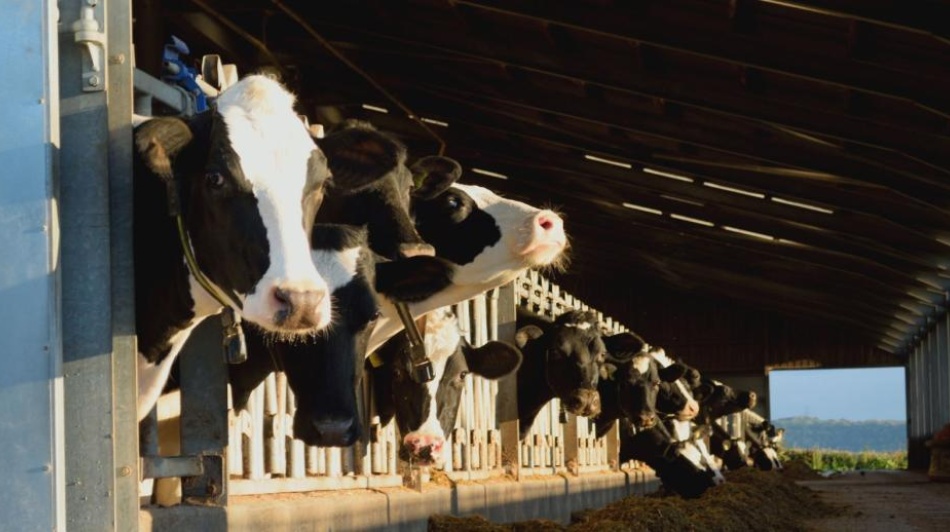

The 2024 Autumn Budget signposted a number of significant changes that will make it more difficult than ever before to pass on family farms through the generations without significant tax liabilities.
Whilst many have understandably focussed on the morality and/or economic sense of such changes, our focus as financial planners is on how to navigate this complex new world.
What is the problem?
In its simplest form, the problem is that Agricultural Property Relief (APR) is set to be capped at £1m from 6 April 2026.
As a result, farm assets in excess of £1m will be subject to Inheritance Tax (IHT) on death (after 6 April 2026). Whilst landowners will receive 50% relief on assets above £1m, meaning the tax will be an effective rate of 20% (rather than the standard 40%), and it can be paid over 10 years, this is still a significant cost on a sector that is notoriously short of cash.
These numbers may seem high, but there are very few farms valued under £1m, meaning that most farming families will need to pay tax they previously would not have done.
What is the solution?
There are several options to explore provided that you have expert tax and legal advice to guide you through the pros and cons.
These options may include outright gifts, gifts into trust and incorporations (as examples), but there is no ‘silver bullet.’
Life Insurance accompanied by financial, tax and legal advice can provide a viable option. This will not mitigate the tax, but it may well provide alternative proceeds to pay the tax and preserve the farm and farm assets to pass to the next generation.
- Whole of Life Insurance (written in Trust)
There are two separate reasons for taking out whole of life insurance, written in Trust. Firstly, this allows the trustees to pay the IHT and preserve the farm assets. Before taking out the policy, obtain valuations of assets to calculate the likely IHT liability.
It can also be part of your legacy planning and provide a lump sum to non-farming children that is outside of the scope of IHT. Often this will be used where one child is inheriting the farm, and you want to leave separate gifts to their siblings.
- Gift Inter Vivos insurance, also known as term cover, (written in Trust):
When considering IHT planning, life cover will often only be required for 7 years. The sum assured is linked to the tax liability on the gift - and will vary as the IHT liability reduces over the term of the policy - meaning that you can give away assets now, and if you die within 7 years of taking out the policy, there will be funds to pay the tax liability.
Is life insurance only useful for inheritance tax planning?
Life Insurance can play an important role in the continuation of the family farm during your lifetime. Two key examples being:
- Paying debts: Farming often involves significant financial investments, including loans for equipment, land and operations. Life insurance can help cover these debts, ensuring that your family isn’t burdened with them in the event of your passing.
- Key Person Cover: If a key person in the farming operation, such as a partner or essential employee, passes away, life insurance can provide the necessary funds to keep the business running smoothly. This can help cover the costs of hiring and training a replacement or managing the transition.
If you already have some form of life insurance, ensure that you review it. Here are some key aspects to consider:
- Is your policy written in Trust? If life insurance is not written in trust, the proceeds will be paid to your estate meaning that it will form part of your estate value for IHT, and your beneficiaries will need to apply for a grant of probate to access the funds.
- What is the term of your policy? Many policies are written over time frames to match the age of children becoming independent or debts being repaid. Do you need insurance after that time?
- Who owns the policy? Is it in joint names, a sole name or owned by your business? All of these factors will dictate when the policy pays out and to whom.
- Are the premiums guaranteed? This will allow you to budget properly.
Life insurance, like all aspects of financial planning, should be reviewed on a regular basis as your own circumstances and legislation will continue to evolve over time and therefore the original advice and policy/policies may need to be adapted, updated, augmented or replaced.
Life insurance is often presented as a cost-based decision, but the offering by providers has evolved significantly, and it is worth taking advice to understand all of the benefits of the policy and the ‘mechanics’ e.g. is the premium fixed, can the cover be increased, and could the term be extended?Life insurance is a cornerstone of financial planning, but insurance can extend beyond this to include, for example, critical illness cover, income protection and private medical care.

Subscribe to
Agri Matters
Agri Matters is our quarterly online newsletter that provides you with the latest financial information and legislation updates affecting British farming businesses.


Related news stories


Armstrong Watson can help
Whether you need expert accounting, strategic business advisory, tax planning, or financial guidance, our experienced team is here to support your success. From sole traders to large enterprises, we provide tailored solutions to help you navigate complex financial challenges and achieve your goals. Get in touch today to discover how we can help your business thrive – call 0808 144 5575.


