




Survey reveals cautious buds of optimism in business confidence

The results of Armstrong Watson’s second Business Confidence Survey of 2025, suggest a notable shift in business sentiment amongst some clients.
While challenges such as customer demand, regulatory changes, and competition remain significant concerns, and the impact of new US tariffs and the increase in the National Minimum Wage are new areas of concern for many businesses, the survey, conducted in April, indicates that some clients have a more optimistic outlook compared to the start of the year, with improvements in the economic outlook, trading conditions, and workforce plans.
It comes a month after the Institute of Chartered Accountants in England and Wales’ (ICAEW) latest business confidence survey, which, in contrast, showed confidence overall continued to fall. The ICAEW did point out, however, that sentiment varied widely across sectors, with manufacturing, engineering, property, retail and wholesale in negative territory, while sentiment in IT and communications, construction, and energy, water and mining, improved.
Economic outlook
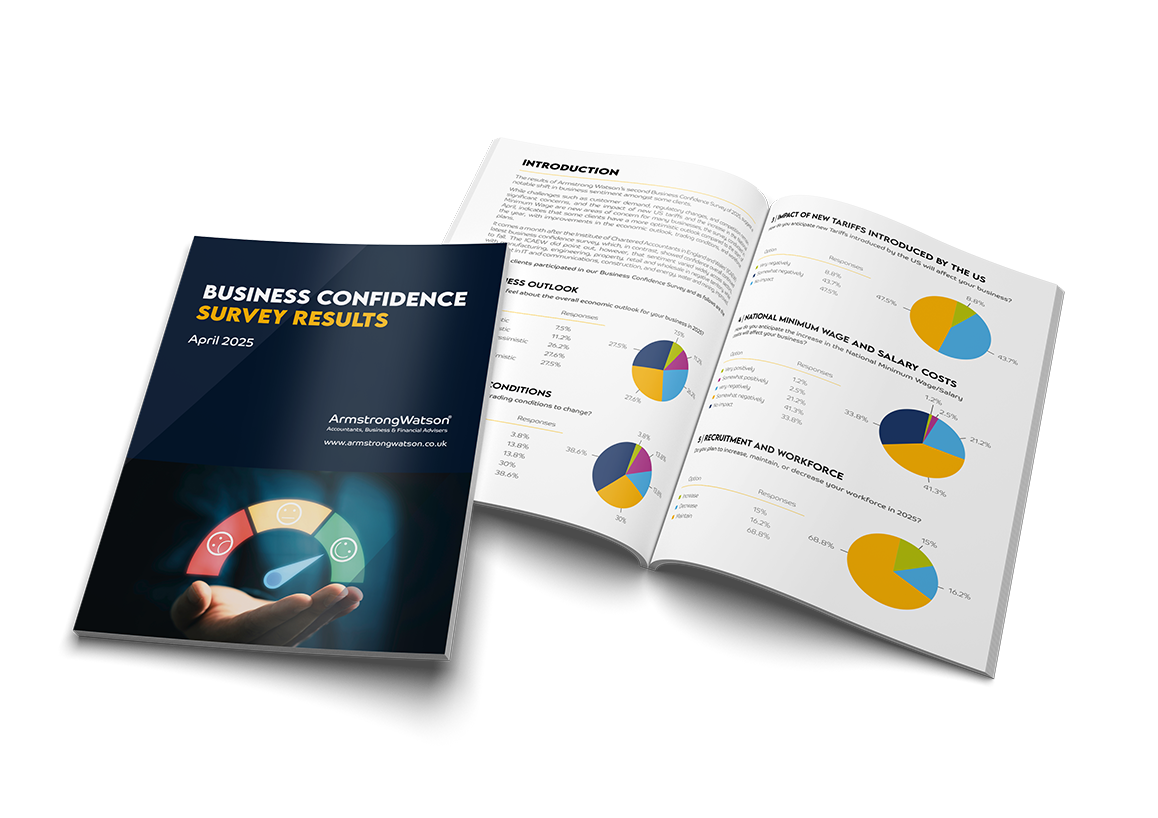
The UK economy grew more than expected in the first quarter of the year, with newly released figures from ONS (Office for National Statistics) showing that GDP is estimated to have increased by 0.7%. Analysts suggest this could be short-lived, as exports to the US increased by £2.4bn ahead of incoming tariffs. The survey found the percentage of businesses feeling very optimistic about the economic outlook for 2025, whilst still low, has more than doubled, increasing from 3.45% in January to 7.5% in April, while the number of businesses feeling somewhat optimistic has increased to 27.5%, up from 18%. However, there are still more businesses that feel somewhat or very pessimistic (37.5%) about the economic outlook.
Trading conditions
Businesses are showing slight optimism in trading conditions, with the percentage expecting significant improvements rising from 1.72% to 3.75%. The number of businesses anticipating a significant worsening of trading conditions has decreased from 22.41% to 13.75%. Furthermore, expectations for slight improvements have increased from 8.62% to 13.75%, and those expecting conditions to remain the same have risen from 20.69% to 30%.
Impact of new US tariffs
The latest survey also asked businesses about new challenges, including the impact of new US tariffs. Almost 9% reported that they would be very negatively impacted and 43.75% said they would be somewhat negatively affected, showing this is a significant concern for many.
Impact of National Minimum Wage Increase
The increase in the National Minimum Wage has had varied effects on businesses. While 1.25% reported a very positive impact and 2.5% experienced a somewhat positive effect, a considerable combined 63.5% of businesses stated they are negatively impacted by the increase, with 21.25% feeling very negatively impacted, and 41.25% reporting somewhat negative effects. The remaining third of businesses (33.75%) were unaffected by the wage increase – which could indicate they have no employees or none close to the minimum wage salary level.
Key challenges
The survey identifies several key challenges faced by businesses. Growing challenges include customer demand, which rose from 28.9% to 50%, regulatory changes, (+12% from January), supply chain issues (+11%), competition (+10%), and access to finance, which increased by 4%.
Support and resources needed
As a result of the challenges they face and recent changes to legislation, almost half of the businesses surveyed (46%) indicated a significant need for support with tax planning. Respondents also expressed a growing need for support and resources in other areas, including financial advice (33.75%), funding (22.5%) and digital transformation (16.5%).
Workforce plans
Businesses are showing a growing intention to expand their workforce, with the percentage planning to increase their workforce rising from 8.05% in January to 15% in April. The number of businesses that now report planning to reduce their workforce has dropped from 35.63% to 16.25%. Stability in workforce plans is also evident, with those intending to maintain their workforce increasing from 56.32% to 68.75%. However, whilst these results are positive, they do appear to buck the trend of the most recent ONS figures, with early estimates for April indicating the number of payrolled employees has fallen 0.3% - equivalent to 106,000 fewer employees - in the last 12 months.
Read the results

Subscribe to
Inspired
Our monthly bulletin INSPIRED is packed with useful articles to keep you up to date with news and legislation that may affect you or your business.


Recent news stories


Armstrong Watson can help
Whether you need expert accounting, strategic business advisory, tax planning, or financial guidance, our experienced team is here to support your success. From sole traders to large enterprises, we provide tailored solutions to help you navigate complex financial challenges and achieve your goals. Get in touch today to discover how we can help your business thrive – call 0808 144 5575.


