




Supreme Court ruling on BlueCrest LLP members' status
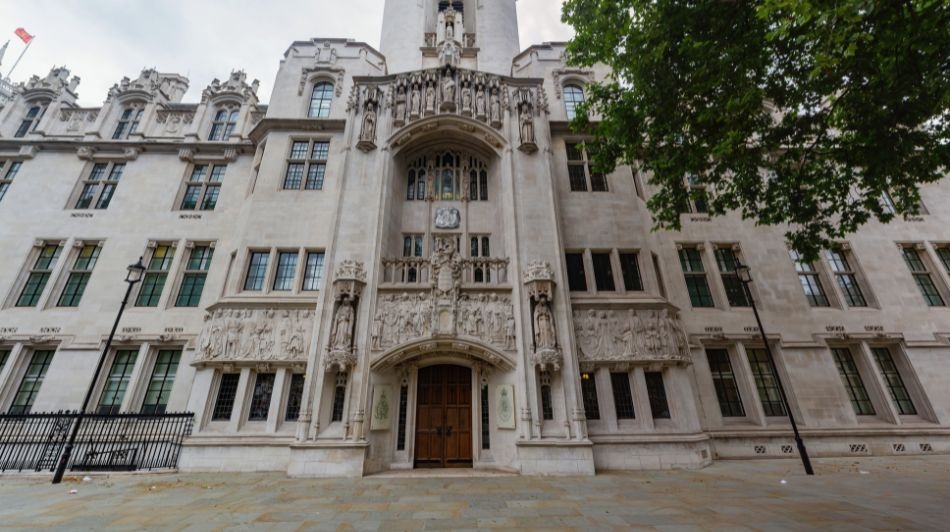

Four years on from the initial HMRC enquiry being opened, the Supreme Court has made the final judgement on the case against Bluecrest Capital Management (UK) LLP.
The court dismissed Bluecrest’s appeal against HMRC, and with no further appeal avenues to appeal, the hedge fund management company now faces a sizeable tax and National Insurance contributions (NIC) bill of an estimated £200 million.
Conditions of the LLP salaried members rules
The case focused on the LLP salaried member rules, specifically conditions A and B, with the court delivering important clarification on the interpretation of ‘significant influence’.
The Supreme Court concluded that influence must derive from a member's legal rights (i.e. those detailed in the LLP partnership agreement) as opposed to ‘informal’ influence which has arisen, for example from expertise, seniority, performance or reputation.
It also confirmed a member must also influence LLP matters as a whole, including strategic and high-level decision-making. The court determined that operational responsibility over a specific business area was not enough to be deemed significant influence.
BlueCrest was found to fail condition B on the basis that although the members were making high-level investment decisions, those responsibilities did not automatically give those members influence over the LLP as a whole. A key point arising from the judgement is that the Supreme Court viewed this differently to the First-tier Tribunal, which had focused on practical influence, rather than the legal rights of each member to influence.
Condition A was also considered and rejected by the Supreme Court, which determined that profit allocation was mainly linked to an individual's performance as opposed to the overall profits of the LLP. Although the total LLP profits did act as a cap on profit share, the court concluded the cap alone was not sufficient to create a genuine profit-sharing arrangement, which is a key characteristic of a traditional partnership.
What does this mean for LLPs and the salaried member rules?
The Supreme Court’s narrower and more streamlined interpretation will most likely result in a change in HMRC's published guidance on the salaried member rules.
Firms should review their current structure, especially their LLP agreements, and ensure they consider the following points:
- Do members have voting rights that allow them to genuinely influence strategic decisions?
- Can members influence management of the LLP as a whole?
- Are the rights above real and exercisable in practise?
- Is remuneration driven by firm-wide profitability or personal performance?
The salaried member rules are made up of three separate conditions:
Condition A – disguised remuneration
Condition B – influence
Condition – capital contribution
An individual will generally be treated as a salaried member - and tax as self-employed - where one of those conditions is met. Many LLPs ensure that their members satisfy condition C by way of capital held within the LLP.
A further point to note is how HMRC will respond following its success in the BlueCrest case. The high-profile judgement may encourage increased scrutiny and potentially lead to more investigations into LLPs. Given HMRC’s powers, these can be extended to a number of previous tax years, increasing potential exposure.

Subscribe to
Inspired
Our monthly bulletin INSPIRED is packed with useful articles to keep you up to date with news and legislation that may affect you or your business.


Related news stories


Armstrong Watson can help
If you would like advice and support in this area, please get in touch. Call 0808 144 5575.


