




Draft Scottish Budget 2026/2027: changes to income tax thresholds and business rates
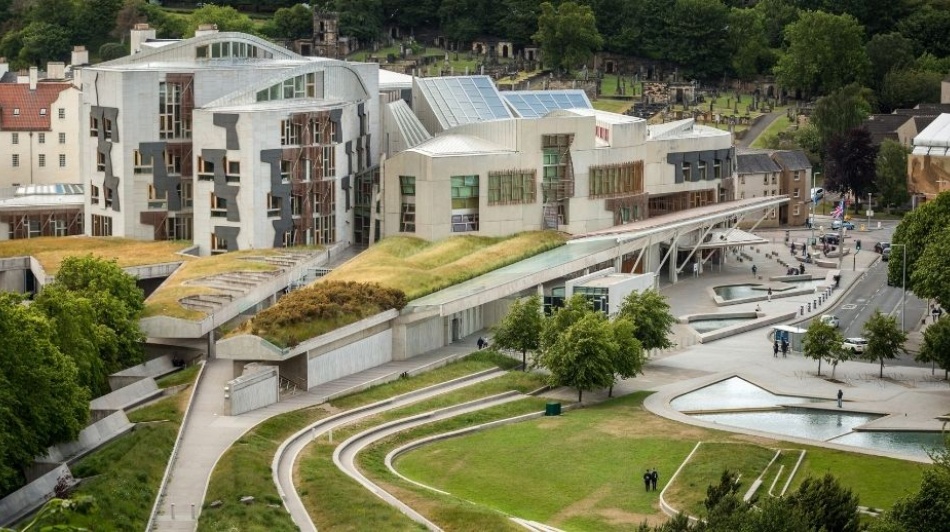

The Scottish Government has set out its spending and tax plans in the draft budget for 2026/ 2027, which includes increases to income tax thresholds for lower earners and higher council tax bills from 2028 for those with properties valued at more than £1m.
Finance Secretary Shona Robison announced that the income tax thresholds for the basic and intermediate rates of tax would increase by 7.4%. This will see the income tax bands change as follows:
Starter rate: £12,571 - £15,397 will move to £12,571 - £16,537
Basic Rate: £15,398 - £27,491 will move to £16,538 - £29,526
Intermediate rate: £27,492 - £43,662 will move to £29,527 - £43,662
The Scottish Government claims that “55% of workers in Scotland will pay less tax than if they were living elsewhere” – a frequently used but widely disputed statement - due to this above-inflation increase.
As the Higher, Advanced and Top rate thresholds remain unchanged and have been frozen until 2028-2029, fiscal drag remains a problem and is more pronounced in Scotland due to three of the six income tax bands being at higher rates than the rest of the UK. Concerns over attracting and retaining talent in the higher rate tax environment in Scotland therefore remain amongst the business community. There is already evidence of workers in Scottish jobs relocating to England.
Higher earners are also set to be impacted by two new council tax bands for homes worth more than £1m, which are due to be in place by 2028.
For businesses, Ms Robison announced changes to non-domestic rates with sector-specific support for retail, hospitality and leisure businesses.
She said the Scottish Government will support businesses by reducing the poundage of the Basic, Intermediate and Higher Property Rates in 2026/ 2027 by 1.7p 1.9p and 2p, respectively, from April 2026. Meanwhile, the Small Business Bonus Scheme is to be extended for a further three years, and 15% relief will be offered to retail, hospitality and leisure businesses with property liable for the Basic or Intermediate Property Rates. This will be capped at £110,000 per business per year, including those with multiple properties.
These changes will be disappointing for businesses who are facing increasing costs and comes as the business property revaluation could lead to significant rateable value increases for many.
This is a particular concern for the retail, hospitality and leisure sector, which has been hard hit by increases to National Minimum Wage and Employer National Insurance Contributions. These businesses are dependent on people coming in and spending their disposable income, so there is a feeling and that more needed to be done to support them in respect of the high street and reinvigorating the general economy.

Subscribe to
Inspired
Our monthly bulletin INSPIRED is packed with useful articles to keep you up to date with news and legislation that may affect you or your business.


Related news stories


Armstrong Watson can help
To discuss how these changes could impact your business, please get in touch. Call 0808 144 5575 or email help@armstrongwatson.co.uk.


